What Is a Medical Gas Zone Valve Box?
News Details
Walk down any hospital corridor and you may pass a small metal box on the wall. Inside it sits a valve that can shut off the medical gas supply to an entire ward. This box is called a medical gas zone valve box. It is a small component, but it plays a big role in safety. This guide explains what it is, how it works, and what buyers should look for.
Definition: What Is a Medical Gas Zone Valve Box?
A medical gas zone valve box is a wall-mounted enclosure that holds a shut-off valve on a medical gas pipeline. It controls the gas supply to one "zone" of a hospital, such as a ward, an operating theatre area, or an ICU.
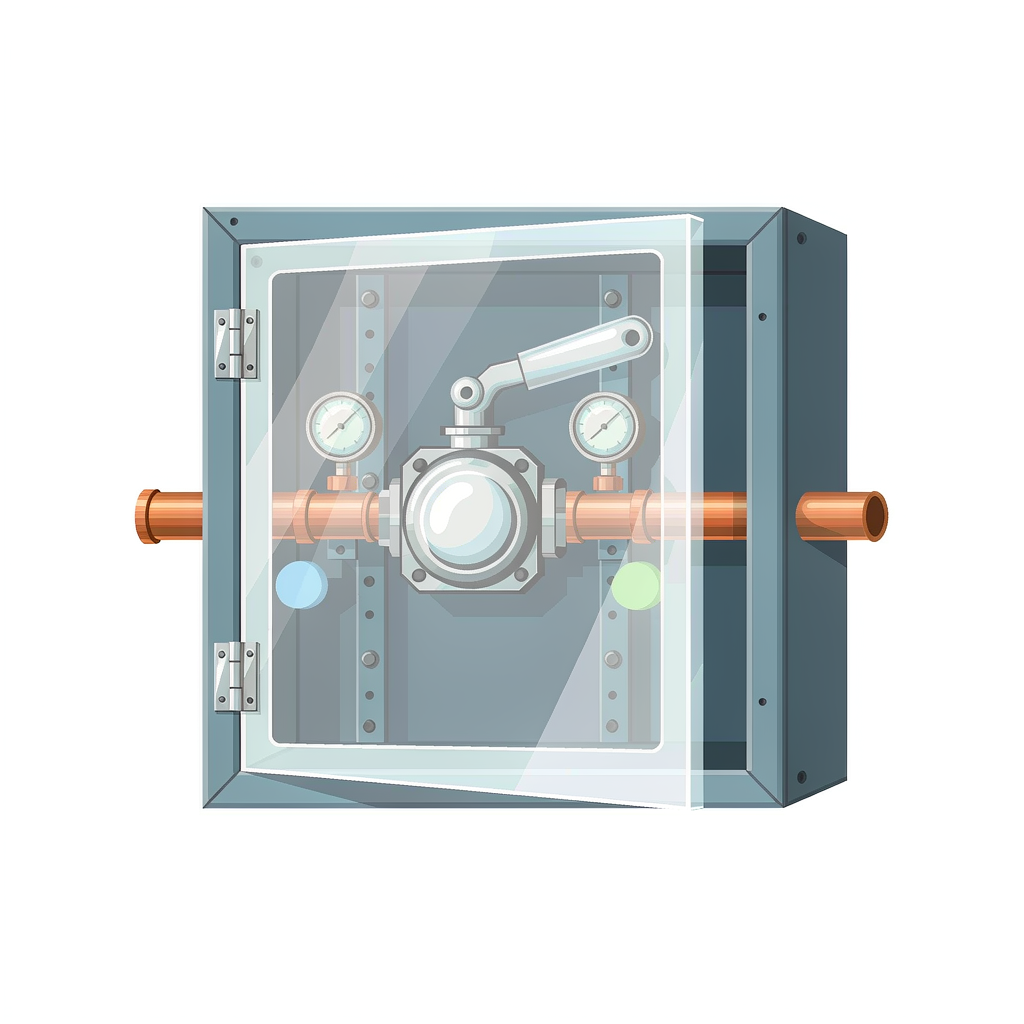
The box has a transparent window so staff can see the valve position without opening it. Clear labels show which gas the line carries. In daily use, the valve stays open. Staff only close it for maintenance or in an emergency.
What Does a Zone Valve Box Do?
A zone valve box serves three main jobs in a medical gas pipeline system.
- Zone isolation for maintenance — engineers can close the valve and service one area while the rest of the hospital keeps receiving gas.
- Emergency shut-off — if a leak or fire affects one zone, staff can cut the gas supply to that zone in seconds, without touching other departments.
- Safe access for testing — the box gives a defined point where pressure can be checked and the line can be isolated during commissioning and inspections.
Without zone valves, a single leak could force the hospital to shut down gas supply for the whole building. The zone valve box turns a building-wide problem into a local, controlled one.
Main Components of a Zone Valve Box
- Shut-off valve — usually a three-piece ball valve with a chrome-plated body. It is cleaned and degreased for medical gas service.
- Enclosure — a steel box with a clear window, often in surface-mounted or recessed versions.
- Pressure gauge ports — dual gauge ports on the valve extensions let staff read line pressure.
- Colour-coded labels — each gas gets the correct colour and name so staff can identify the line at a glance.
- Copper pipe stubs — washed and degreased medical-grade copper tube stubs extend out of the box for pipeline connection.
Where Should Zone Valve Boxes Be Installed?
Standards such as NFPA 99 and ISO 7396-1 set clear rules about placement. In practice, zone valve boxes are installed:
- At the entrance to each ward or nursing zone, usually in the corridor.
- Outside each operating theatre and critical care area.
- At branch connections to major equipment, such as central suction plants.
The key principle is access. Staff must be able to reach the valve quickly, even at night or during an emergency. The valve must not sit inside the room it protects, because a fire inside the room could block access.
Common Types and Configurations
Buyers can choose from several configurations:
- Single-gas boxes — one valve for one service, common in simple ward zones.
- Multi-gas boxes — one enclosure holds two to six valves, controlling several gases such as oxygen, medical air, and vacuum at one point. This saves wall space.
- Horizontal or vertical piping — the internal layout matches how the pipeline enters the box.
- Boxes with integrated alarms — some models combine the valve box with a pressure alarm panel, so isolation and monitoring sit in one place.
Standards That Apply
- NFPA 99 — the health care facilities code used in the United States. It defines where zone valves must be placed and how they must perform.
- ISO 7396-1 — the international standard for medical gas pipeline systems, covering design, installation, and testing.
- HTM 02-01 — the United Kingdom guidance, which uses the term "area valve service unit" (AVSU) for the same equipment.
A compliant zone valve box should be leak-tested, pressure-rated for the gas it carries, and supplied with documentation. Buyers should always ask for test reports and compliance certificates before ordering.
What Buyers Should Check Before Ordering
- Valve material and pressure rating for each gas service
- 100% leak testing and pressure test reports for every unit
- Correct gas colours and labels for your market
- Surface or recessed mounting to match your wall design
- Number of gases per box, and future expansion needs
- Compliance files in English for smooth customs and approval
Zone valve boxes are one part of a complete supply chain from the plant room to the bedside. You can view our medical gas valve box for hospital gas supply systems and our zone valve box with integrated alarm to see typical configurations.
In Summary
A medical gas zone valve box is the local control point for the gas supply of one hospital zone. It allows safe maintenance, fast emergency shut-off, and clean testing — all without cutting off the rest of the building. For buyers and distributors, checking valve quality, test reports, and standard compliance is the surest way to specify a box that protects patients for years.


