Medical Gas Zone Valve Box with Alarm: Built-in sensors continuously monitor gas concentrations within the enclosure and trigger an audible/visual alarm when thresholds are exceeded. Integrates zone shut-off and gas monitoring in one unit. Ideal for hospital medical gas pipeline networks, ensures compliance, safety and wall space saving.
Product Information
Product Type:
Valve box with built-in gas alarm
Application:
Medical gas pipeline systems in hospitals
Monitoring:
Real-time gas concentration monitoring; alarm on threshold exceedance
Product Introduction
The normed medical gas zone valve box with alarm is a zoning control unit designed for hospital medical gas pipeline networks. In many projects, this same device is called an area valve service unit (AVSU) or medical gas zone valve assembly. Its defining feature is its integrated design: the shut-off valve group and the gas monitoring alarm are housed in the same cabinet. This means a single wall-mounted unit simultaneously performs line isolation, pressure indication, and gas leakage monitoring.
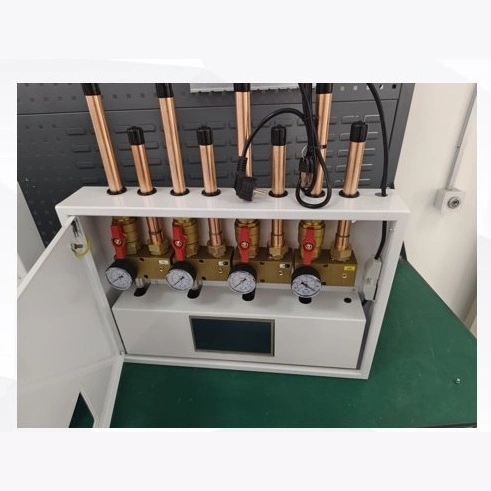
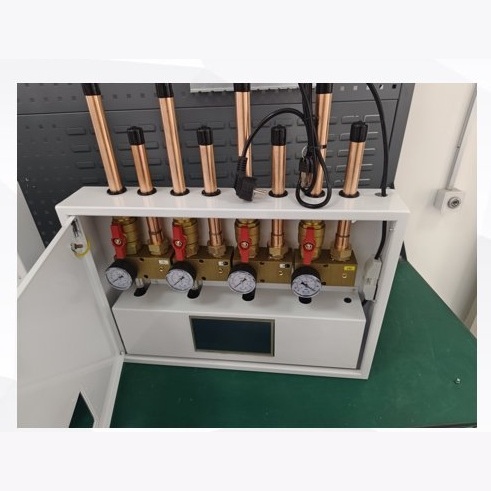
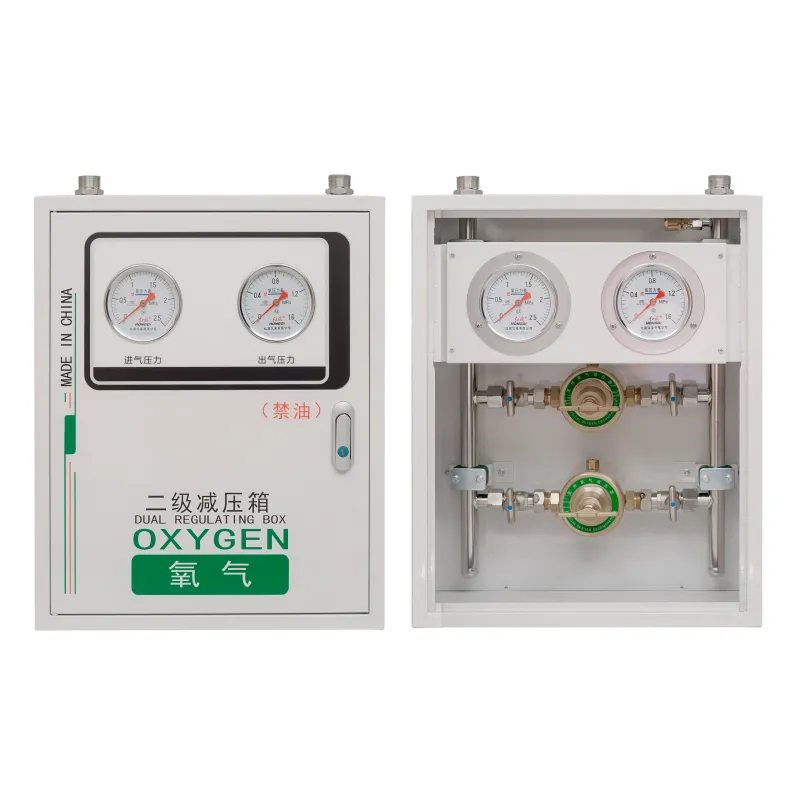
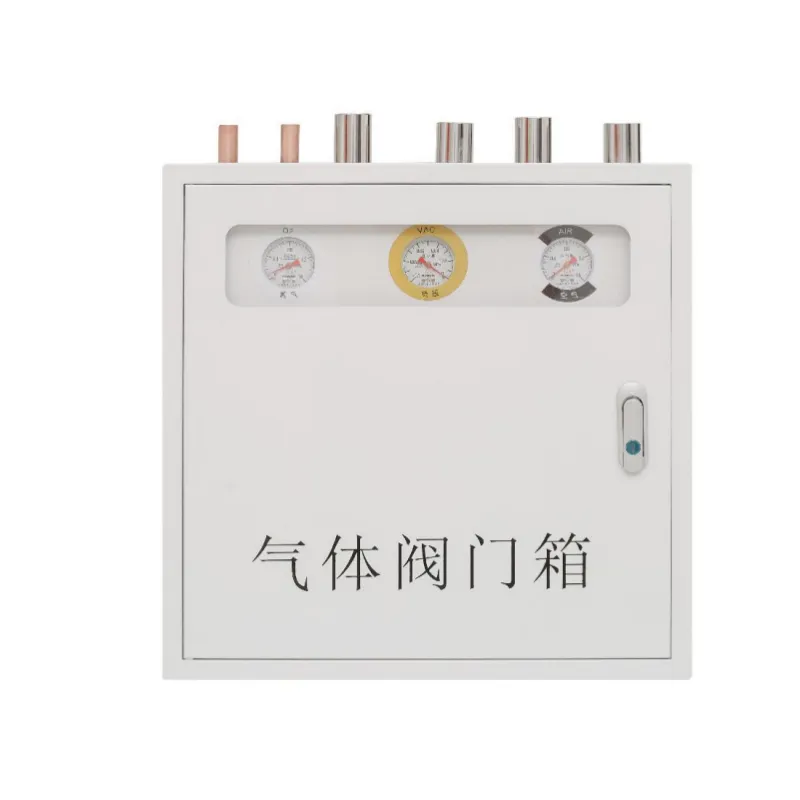
Front view: shut-off valves, pressure gauges, and a display panel integrated in one cabinet.
Real-Time Gas Monitoring and Alarm Functions
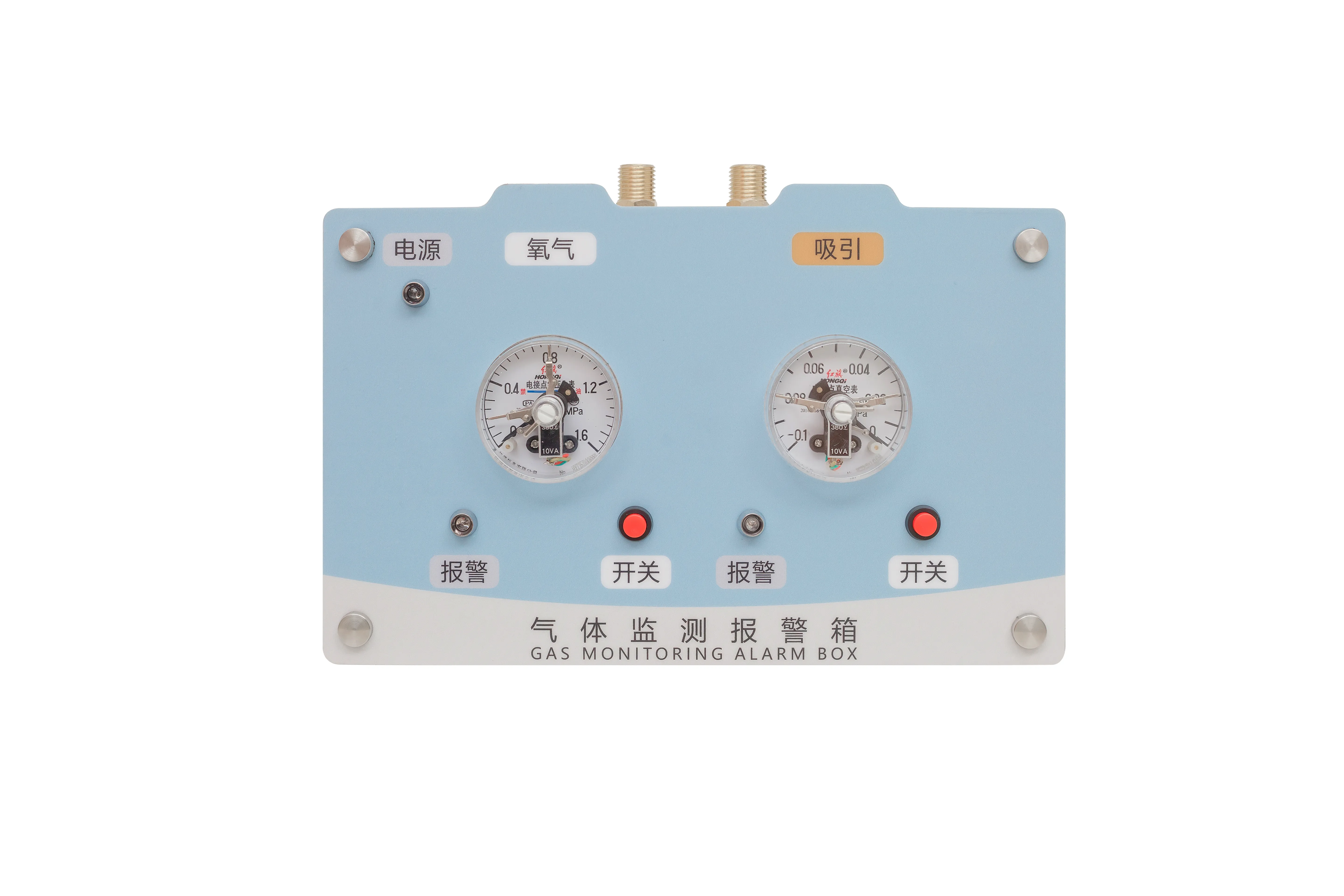
Monitoring sensors are installed inside the valve box to continuously detect gas concentration within the enclosure. The sensor configuration can include combustible gas sensors and toxic gas sensors, allowing the monitoring package to be tailored to the actual gases used in your project. Once the measured concentration exceeds the preset threshold, the unit triggers an alarm.
For a hospital engineering team, this solves a real operational problem. A valve box with only isolation capability cannot detect a gas leak that occurs while the pipeline is still operational. With monitoring built into the same unit, abnormal gas concentration around the valves is detected directly at the source. Staff can immediately close the zoning valves without waiting for a separate alarm panel to be installed in the same area.
Dual Functions in a Single Cabinet
Integrating the valve box and alarm system in one housing is the core design decision of this product, and its primary advantage is space savings. In equipment rooms, pipe shafts, and corridor niches, wall space adjacent to pipelines is often limited. Separate valve and alarm boxes would require two mounting locations, two sets of labels, and two separate maintenance access points. The integrated unit solves all of this with a single installation.
This integration also unifies operational functions. When staff arrive to isolate a zone, they are already at the same cabinet that houses the monitoring system, making daily routine checks straightforward and consolidated.
Inside the Valve Box
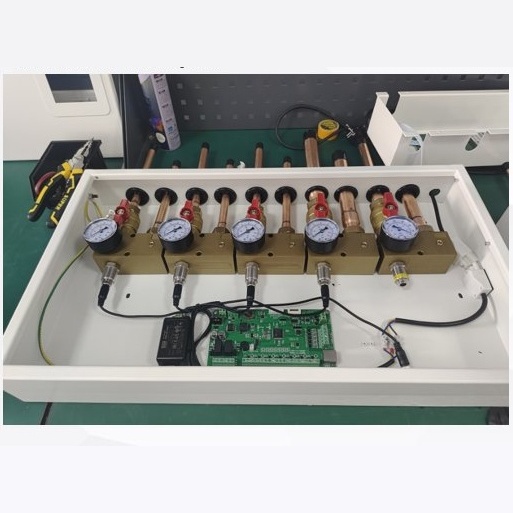
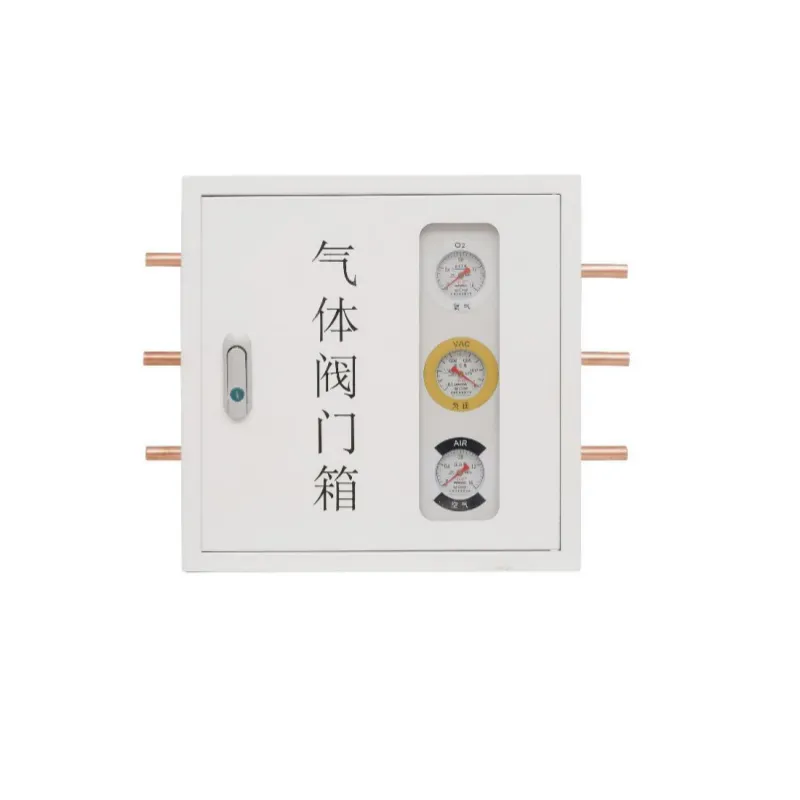
Photos of this unit clearly show the arrangement of its working components. Each gas line runs through a shut-off valve with a red handle, and all valves are neatly aligned on a valve manifold. An analog pressure gauge is mounted next to each valve position, allowing line pressure to be read directly at the box. Copper connecting pipes extend from the top of the cabinet, linking the unit to the pipeline system.
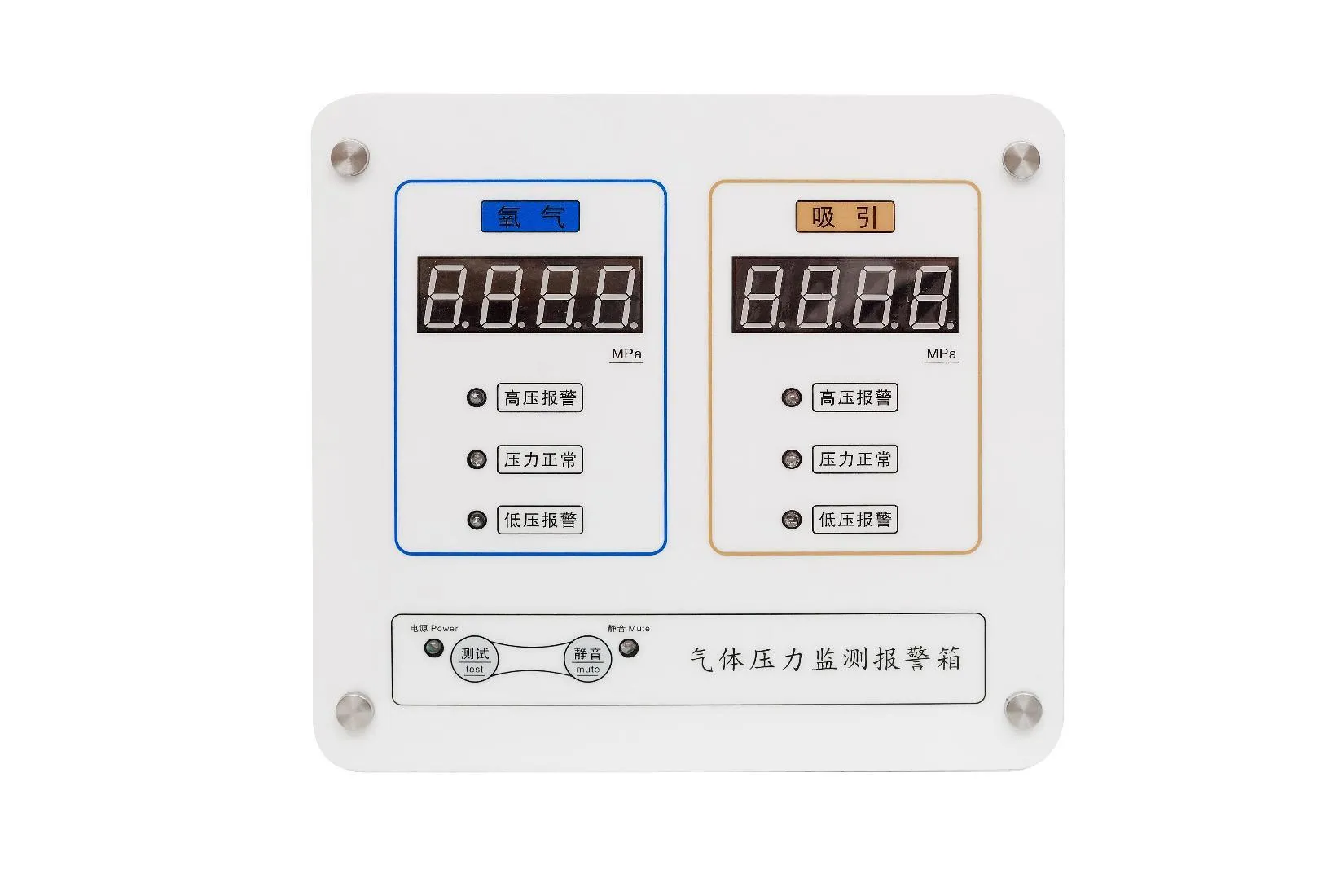
The lower section of the cabinet contains a control circuit board that processes signals from the gas sensors and activates the alarm system. A front-mounted display panel shows the monitoring status, easily visible to operating personnel.
Internal layout: valve manifold, pressure gauges, and control board.
The configuration shown in the photos reflects the unit as it is manufactured. Please specify your required gas services and sensor types during inquiry to ensure the configuration matches your project needs.
Applications in Hospital Medical Gas Systems
An area valve box serves a designated zone within a medical gas pipeline system—such as a ward, an intensive care unit, a surgical suite, or another clinical area. Closing the valves isolates that specific zone without shutting down the entire hospital, enabling efficient planned maintenance and emergency response. The integrated alarm adds on-site gas concentration monitoring at the same point, supporting leak detection directly around the valves.
Because the sensor package can accommodate both combustible and toxic gases, the same monitoring concept is also suitable for other gas-related spaces within a hospital project. Please confirm the sensor selection for each specific area with us during the inquiry process.
Key Information to Confirm Before Ordering
To correctly configure the valve box and its monitoring system, please prepare the following key project details:
Gases used in the zone and the number of service lines (e.g., oxygen, medical air, vacuum, nitrous oxide)
Required monitoring sensor types: combustible gas, toxic gas, or a combination of both
Installation location and available wall space for mounting the unit
Any specific display or project documentation requirements
Please include this information with your inquiry, and the normed team will provide a tailored configuration for your medical gas pipeline project.